If you are like most people, you may know that vitamin D is important, but feel unsure why. Some people call it the “sunshine vitamin,” and for good reason. Your body actually makes vitamin D when your skin is exposed to sunlight. However, many of us do not get enough direct sun, especially if we spend our days indoors or live in areas where sunlight is limited in the winter. It is easy for vitamin D deficiency to creep in without you even realizing it. Contact Dr. Edward Jacobson at Greenwich Hormones to learn the benefits of vitamin D and how to make sure you are getting enough.
Vitamin D plays a big role in strengthening your bones by helping your body absorb calcium, a mineral that keeps bones dense and less likely to break. Without enough vitamin D, even a healthy diet full of calcium will not do its job. Because of this, people with low vitamin D levels may experience more bone pain or even develop conditions such as osteoporosis over time.
Vitamin D is also known to support your immune system, helping your body fight off illnesses, from everyday colds to more serious infections. Research also suggests that vitamin D may play a part in mood regulation. Those who struggle with seasonal depression, for example, may notice improvement when their vitamin D levels go up.
Vitamin D deficiency does not always show clear symptoms right away, making it difficult to address. In kids, low vitamin D levels can affect bone growth. Some adults feel more tired than usual, have muscle weakness, or notice bone or joint aches. Over time, deficiency can increase the risk of painful bone conditions like osteoporosis.
Because the signs are easy to miss, many people rely on blood tests to determine whether they are low on vitamin D.
The most natural way to get vitamin D is through sunlight. If you spend about 10 to 20 minutes in direct sunlight a few times a week, your body can usually produce what it needs. Of course, this depends on where you live, the season, your skin tone, and how much of your skin is exposed. Sunscreen also limits vitamin D production, though it is still important to wear to protect against skin cancer.
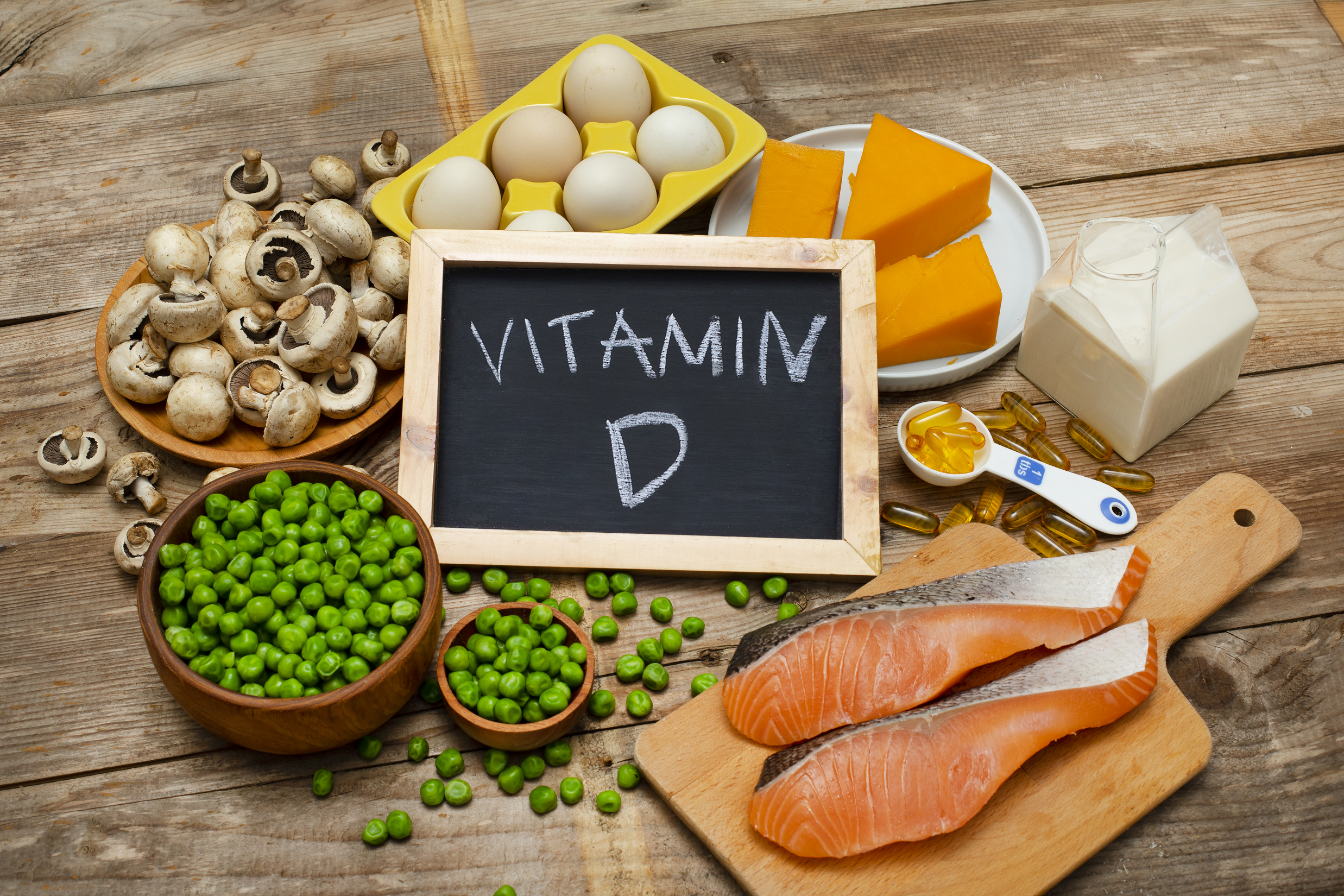
You can also get vitamin D from foods like fatty fish. Egg yolks and fortified foods such as milk, orange juice, and certain cereals also contain vitamin D.
For many people, supplements are an easy way to ensure they are getting enough vitamin D. The exact amount you need can depend on your age, health, and lifestyle, making it a good idea to talk to your doctor before starting a supplement.
Vitamin D might seem like a small factor in your overall health, but it affects so many different parts of your body. From strong bones, a healthy immune system, and even a balanced mood, it is one vitamin you do not want to ignore.
If you have been wondering whether your vitamin D levels are where they should be, talk to your doctor and get a blood test. Knowing your level removes the guesswork and could help you create a plan that fits your needs. Contact Dr. Edward Jacobson today to learn more about the benefits of vitamin D and how to make sure you are getting enough.